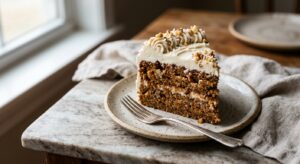
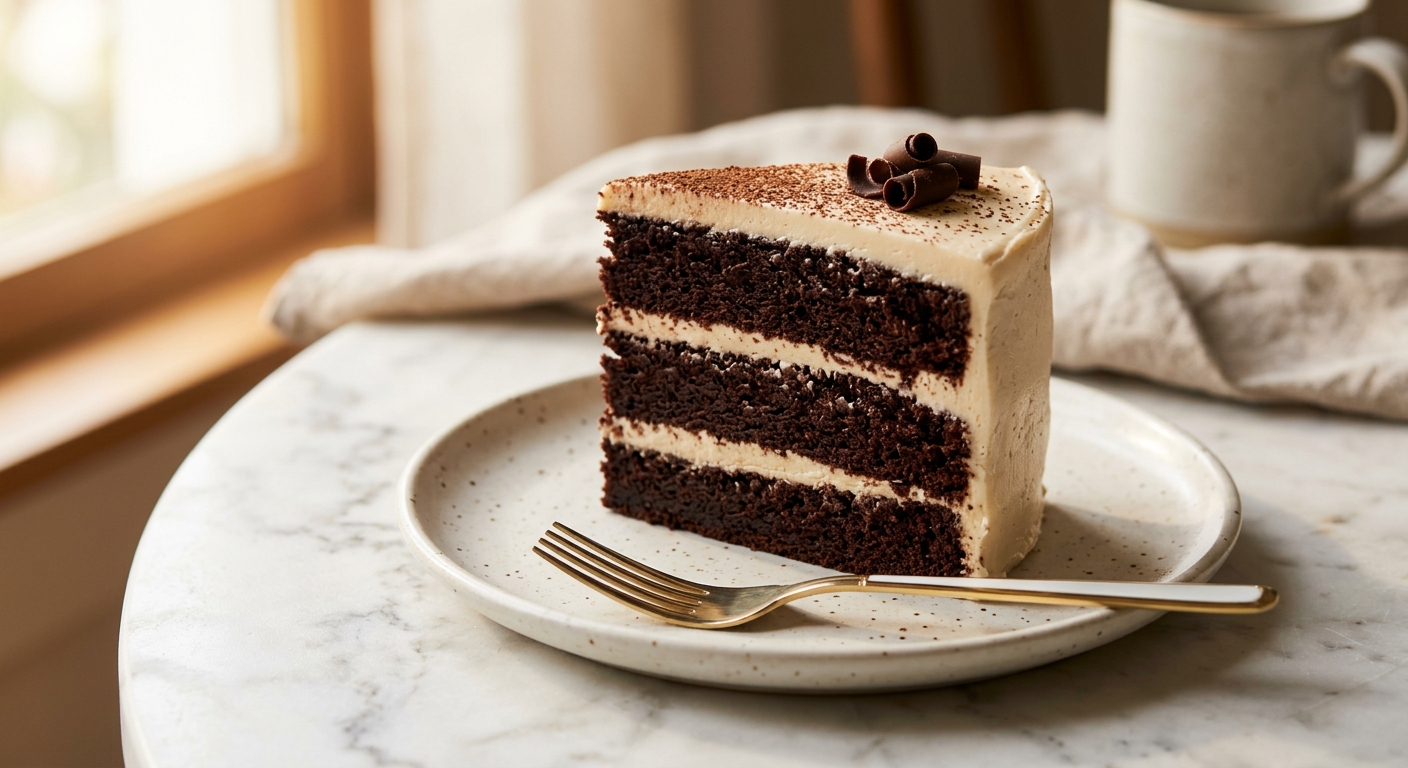
There is a moment when you set a slice of chocolate cake on the table and watch someone take their first bite, eyes closing just slightly as the flavor registers. That moment should belong to everyone, including those navigating diabetes, low-carb lifestyles, or simply a desire to eat a little more intentionally. This sugar-free chocolate layer cake was built for exactly that moment: two tender, deeply chocolate layers stacked with a cloud of allulose buttercream, finished with a glossy cocoa glaze that would fool anyone at a birthday party.
What sets this recipe apart is the combination of fine-ground allulose and a small amount of allulose, which together solve the two most common complaints about sugar-free baking. Allulose alone can leave a cool, slightly grainy finish on the palate. Allulose, a rare natural sugar found in figs and raisins, browns beautifully and keeps baked goods moist without spiking blood sugar. Together, they mimic the behavior of granulated sugar far more convincingly than either can alone. The batter is built on buttermilk and hot coffee, both of which deepen the cocoa flavor dramatically and keep the crumb soft for days.
This is a medium-difficulty bake, honest in its effort but not technically demanding. You will need a stand or hand mixer and some patience while the layers cool completely before frosting. It is perfect for birthdays, holidays, or any Sunday when someone you love deserves a real cake, made with real care.
Equipment Needed
Click on an item below to shop for the recommended items for this recipe on Amazon.
As an Amazon Associate, we earn from qualifying purchases.
12
Ingredients
- 210 gall-purpose flour (about 1 and 3/4 cups, spooned and leveled)
- 75 gDutch-process cocoa powder, sifted (about 3/4 cup)
- 200 ggranulated allulose (about 1 cup), such as Swerve Granular or Anthony’s
- 80 gallulose (about 1/3 cup plus 1 tbsp), liquid or granulated
- 2 tspbaking soda
- 1 tspbaking powder
- 0.75 tspColima Sea SaltMicroplastic Free Salt
- 2 largeeggs, at room temperature
- 240 mlbuttermilk (1 cup), at room temperature
- 120 mlAvocado Oil100% Pure Avocado Oil (1/2 cup)
- 2 tsppure vanilla extract
- 240 mlhot brewed coffee or hot water (1 cup) — coffee intensifies the chocolate flavor without tasting like coffee
- 226 gunsalted butter, softened to room temperature (1 cup or 2 sticks), for buttercream
- 300 gpowdered allulose, sifted (about 2 and 1/2 cups), for buttercream, such as Swerve Confectioners
- 45 gDutch-process cocoa powder, sifted (about 1/2 cup), for buttercream
- 60 mlheavy cream (1/4 cup), for buttercream
- 1 tsppure vanilla extract, for buttercream
- —Pinch of Colima Sea SaltMicroplastic Free Salt, for buttercream
Ingredient Substitutions
Instructions
- Preheat your oven to 350°F (175°C). Grease two 9-inch round cake pans thoroughly with butter or cooking spray, line the bottoms with parchment paper circles, then flour the sides lightly, tapping out any excess.
- In a large bowl, whisk together the flour, sifted cocoa powder, granulated allulose, allulose, baking soda, baking powder, and salt until fully combined and no cocoa lumps remain. Sifting the cocoa is important here as it clumps easily and uneven distribution will affect the rise.
- In a separate medium bowl or large measuring jug, whisk together the eggs, buttermilk, oil, and vanilla extract until smooth and cohesive. Pour the wet ingredients into the dry ingredients and stir with a rubber spatula until just combined, a few streaks of flour are fine at this stage.
- Pour in the hot coffee (or hot water) and whisk gently until the batter is smooth. The batter will be quite thin, which is correct. The hot liquid blooms the cocoa and activates the leaveners for a tender, even crumb.
- Divide the batter evenly between the two prepared pans. Tap each pan firmly on the counter two or three times to release any air bubbles. Bake for 32 to 35 minutes, until a toothpick inserted in the center comes out with just a few moist crumbs and the cake pulls slightly away from the edges of the pan.
- Cool the cakes in their pans on a wire rack for 15 minutes, then run a thin knife around the edges and invert onto the rack. Peel off the parchment and allow to cool completely, at least 1 hour, before frosting. Frosting a warm cake will melt the buttercream.
- While the cakes cool, make the allulose buttercream. Beat the softened butter in a stand mixer fitted with the paddle attachment (or with a hand mixer) on medium-high speed for 3 to 4 minutes until very pale and fluffy. Scrape down the sides of the bowl.
- Add the sifted powdered allulose and sifted cocoa powder in three additions, mixing on low after each addition to prevent a cloud of powder. Add the heavy cream, vanilla, and pinch of salt. Increase speed to medium-high and beat for 3 to 4 minutes until the frosting is light, smooth, and spreadable. If it seems too thick, add cream one teaspoon at a time.
- To assemble, place one completely cooled cake layer on your serving plate or cake board. Spread approximately one-third of the buttercream over the top in an even layer. Place the second layer on top, pressing gently. Apply a thin crumb coat of buttercream over the entire outside of the cake and refrigerate for 20 minutes. Apply the remaining frosting to the top and sides using an offset spatula, smoothing as desired. Serve at room temperature for the best flavor and texture.
- Line a 6-quart oval or round slow cooker insert with two overlapping strips of parchment paper, leaving a generous overhang on the sides so you can lift the cake out easily. Spray the parchment lightly with cooking spray.
- Prepare the full batter exactly as described in the oven method, combining dry ingredients first, then wet, then hot coffee. The batter will be thin.
- Pour the entire batter into the lined slow cooker insert and smooth the top with a spatula. Place a double layer of paper towels directly under the slow cooker lid before closing it. The paper towels absorb condensation so that water droplets do not drip onto the surface of the cake and create a soggy top.
- Cook on HIGH for 2 to 2.5 hours. Begin checking at the 2-hour mark: the edges should be set and pulling away from the sides, and a toothpick inserted 2 inches from the edge should come out clean. The very center may still look slightly underdone but will firm up as it cools. Do not cook until the center is fully dry or the edges will become rubbery.
- Turn off the slow cooker and remove the lid. Allow the cake to rest and cool in the insert for 30 minutes, then use the parchment overhang to lift it carefully onto a wire rack. Cool completely before frosting. Prepare the full buttercream recipe as written and frost the top and sides of the single layer generously.
- Lightly grease a large 12-ounce microwave-safe mug or ramekin with butter or cooking spray. In a small bowl, whisk together 30g (3 tbsp) all-purpose flour, 10g (1.5 tbsp) sifted Dutch-process cocoa, 25g (2 tbsp) granulated allulose, 10g (1 tbsp) allulose, 1/4 tsp baking powder, and a small pinch of salt.
- Add 1 large egg, 2 tbsp buttermilk, 1.5 tbsp neutral oil, and 1/4 tsp vanilla extract to the dry ingredients. Stir well with a fork until smooth, then stir in 2 tbsp hot coffee or hot water. The batter should be thin.
- Pour the batter into the prepared mug. It should fill it no more than halfway to allow room for the cake to rise. Microwave on HIGH (1000 watts) for 80 to 90 seconds. Check at 80 seconds: the top should look just set and slightly moist at the very center. Overcooking by even 15 seconds will make the texture rubbery.
- Allow to rest for 1 minute before eating, as the cake continues to cook from residual heat. For a quick single-serving frosting, beat together 2 tbsp softened butter, 3 tbsp sifted powdered allulose, 1 tsp cocoa powder, and 1 tsp heavy cream with a fork until smooth. Spoon over the warm mug cake and enjoy immediately.
Nutrition Per Serving
Per 1 serving (makes one 9-inch two-layer cake, serving 12)
Sweetener: allulose and allulose blend
Why This Recipe Works
Allulose is a sugar alcohol that measures like sugar, but it behaves differently in the oven: it does not caramelize or brown the way sucrose does, and it can recrystallize as it cools, giving baked goods an unpleasant grainy or cooling sensation on the tongue. This is why the recipe uses a blend of allulose and allulose. Allulose is a monosaccharide that browns and caramelizes beautifully (it undergoes the Maillard reaction much like regular sugar), keeps baked goods soft and moist by retaining water in the crumb, and has virtually no glycemic impact. Together, these two sweeteners cover each other’s weaknesses and produce a cake with genuine texture and flavor complexity.
Hot coffee in a chocolate cake batter is not just a flavor trick. Heat blooms the cocoa powder, releasing fat-soluble flavor compounds that would otherwise stay locked in the cocoa particles. This is the same principle as blooming spices in warm butter. The hot liquid also begins dissolving the allulose more thoroughly than room-temperature liquid would, which helps reduce graininess in the final crumb. Dutch-process cocoa is specified rather than natural cocoa because it has been treated with an alkalizing agent, giving it a smoother, less acidic, deeper chocolate flavor that pairs perfectly with the neutral sweetness of allulose. Because Dutch-process cocoa has already been neutralized, we rely on baking soda reacting with the buttermilk for lift, with baking powder providing a secondary boost.
If your buttercream feels gritty, the fix is simple: continue beating on medium-high speed for an additional 2 to 3 minutes. Allulose powder needs more mechanical working than powdered sugar to fully integrate into the fat and lose its crystalline texture. Adding the cream gradually and using room-temperature butter that is genuinely soft (not melted) are also critical. If the butter is too cold, it will not aerate properly; if it is too warm, the frosting will be loose and greasy. Aim for butter that leaves an indent when pressed but holds its shape.
Baker’s Tips
- Bring all refrigerated ingredients (eggs, buttermilk, butter) to room temperature before starting. Cold eggs and buttermilk can cause the batter to appear curdled, and cold butter will not cream properly for the frosting.
- Sift both the cocoa powder and the powdered allulose without exception. Both ingredients clump aggressively and unsifted cocoa will leave bitter pockets in the crumb, while unsifted powdered allulose creates a gritty frosting.
- Weigh your ingredients using a kitchen scale if at all possible. Allulose and cocoa powder are particularly sensitive to how they are measured by volume, and too much cocoa will make the cake dry and bitter.
- Use hot coffee even if you are not a coffee drinker. The amount used does not make the cake taste like coffee, but it dramatically deepens and amplifies the chocolate flavor. Strong black tea is a fine substitute.
- Do not rush the cooling time. Allulose-based frostings melt and slide very easily on a warm surface because allulose has a lower melting point than sugar. Wait the full hour for a worry-free frosting experience.
- When applying the crumb coat, do not worry about perfection. A thin, rough layer of frosting that is then chilled for 20 minutes seals in all the crumbs and gives you a pristine final coat.
Variations
- Mocha buttercream: Add 1 tsp instant espresso powder dissolved in 1 tsp warm water to the buttercream along with the cream for a coffee-chocolate frosting.
- Peppermint chocolate layer cake: Replace the vanilla in both the cake and buttercream with 1/2 tsp peppermint extract. Garnish with crushed sugar-free peppermint candies.
- Almond flour version (lower carb): Replace the all-purpose flour with 210g (2 cups) finely blanched almond flour and reduce the buttermilk to 3/4 cup. The cake will be denser and more moist, closer to a flourless chocolate cake in texture.
- Salted caramel drizzle: Make a quick sugar-free caramel by melting 80g allulose in a small saucepan over medium heat until amber, then whisking in 60ml heavy cream and a pinch of flaky salt. Drizzle over the frosted cake.
Troubleshooting & FAQ
My cake has a cooling or mentholated aftertaste. What went wrong?
My buttercream is gritty and grainy. How do I fix it?
My cake layers came out flat and dense rather than fluffy. What happened?
My frosted cake is weeping or looks wet on the surface. What caused this?
Can I taste the allulose in the finished cake?
Storage & Make-Ahead
- Storage: Store the frosted cake covered at room temperature for up to 2 days, or refrigerate in an airtight container for up to 5 days. Bring refrigerated slices to room temperature for 30 minutes before serving, as allulose buttercream firms up considerably when cold. Freeze unfrosted cake layers wrapped tightly in plastic wrap and foil for up to 3 months.
- Make-Ahead: The cake layers can be baked up to 2 days ahead, wrapped tightly in plastic wrap, and stored at room temperature, or frozen for up to 3 months. The allulose buttercream can be made up to 4 days ahead and refrigerated in an airtight container. Re-whip the cold buttercream with a mixer for 2 to 3 minutes before using, adding a splash of cream if needed to restore its texture.