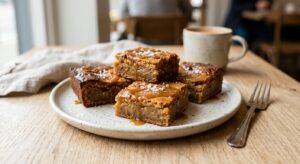
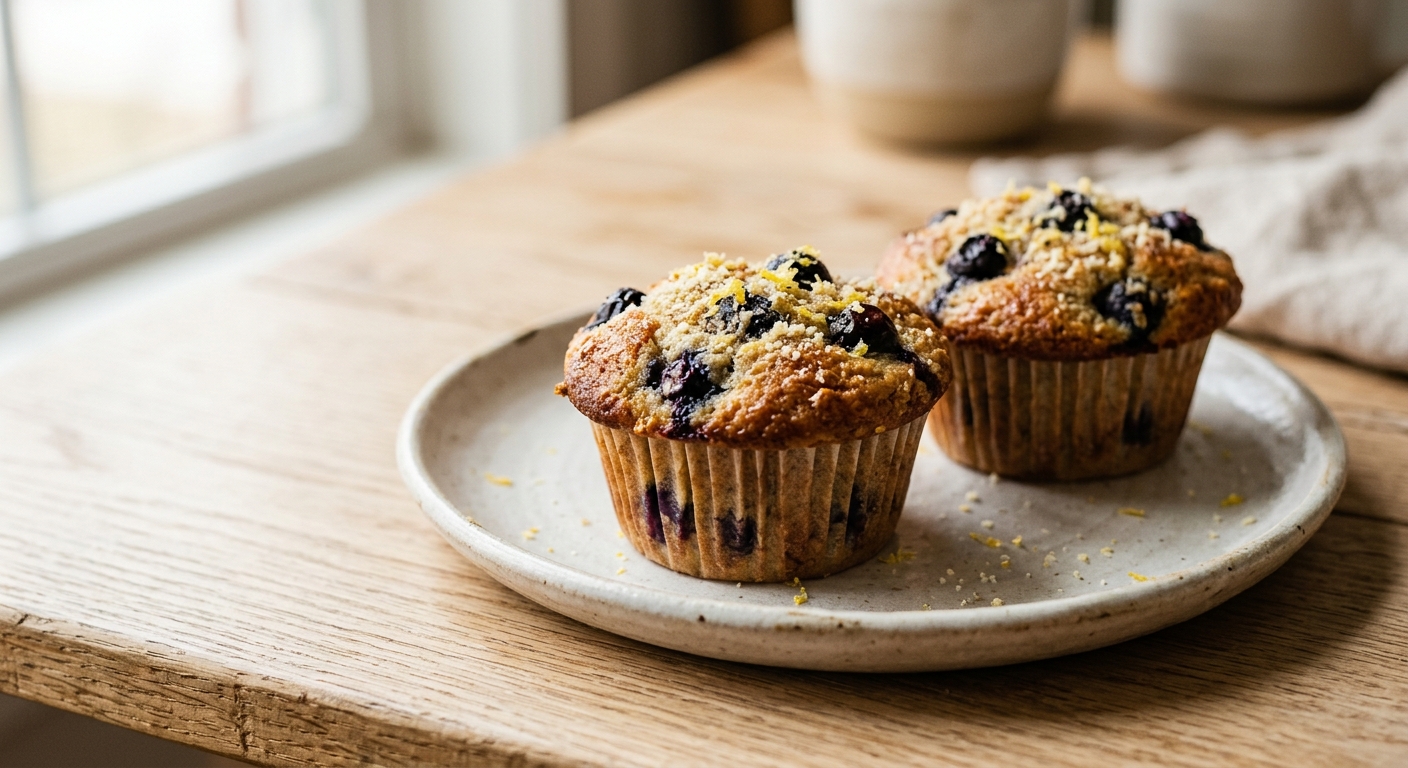
There is something deeply comforting about pulling a tray of blueberry muffins from the oven, the kitchen filling with that warm, fruity perfume that promises something wonderful is about to happen. These muffins deliver exactly that moment, with golden, slightly domed tops, pockets of jammy blueberries in every bite, and a soft, tender crumb that practically melts on the tongue. Nobody at your table needs to know they contain zero refined sugar and are made with almond flour instead of all-purpose flour. That can be your little secret.
What sets these muffins apart is the combination of fine blanched almond flour and a touch of tapioca starch, which together mimic the lift and structure that gluten provides in traditional muffins. Almond flour alone can produce a dense, greasy result if used carelessly, but here the eggs do the heavy lifting, acting as binders and leaveners at once. The sweetener is pure allulose, a rare sugar that occurs naturally in figs and raisins, browns beautifully in the oven (giving you that gorgeous golden top), and has virtually no impact on blood sugar. A generous amount of lemon zest wakes everything up and makes the blueberry flavor sing rather than sit flat.
These muffins sit comfortably in the easy-to-medium range of difficulty. If you have baked with almond flour before, you will find the batter familiar and forgiving. If this is your first time, the process is actually simpler than conventional muffins because there is no risk of overworking gluten. They are perfect for anyone managing blood sugar, following a low-carb or keto lifestyle, or simply trying to cut refined sugar without sacrificing joy at the breakfast table.
Equipment Needed
Click on an item below to shop for the recommended items for this recipe on Amazon.
As an Amazon Associate, we earn from qualifying purchases.
12
Ingredients
- 300 gfine blanched almond flour (about 3 cups, spooned and leveled, not almond meal)
- 32 gtapioca starch or arrowroot powder (about 3 tablespoons)
- 1.5 tspbaking powder
- 0.5 tspbaking soda
- 0.25 tspColima Sea SaltMicroplastic Free Salt
- 160 ggranulated allulose (about 3/4 cup), plus 1 tablespoon for sprinkling on tops
- 4 largeeggs, at room temperature
- 80 mlmelted coconut oil or neutral Avocado Oil100% Pure Avocado Oil (about 1/3 cup)
- 120 mlplain unsweetened almond milk or whole milk (about 1/2 cup), at room temperature
- 2 tsppure vanilla extract
- 1 tbspfresh lemon zest (from about 1 large lemon)
- 1 tspfresh lemon juice
- 190 gfresh or frozen blueberries (about 1 1/4 cups; if frozen, do not thaw)
- 1 tsptapioca starch or arrowroot (for tossing the blueberries, to prevent sinking)
Ingredient Substitutions
Instructions
- Preheat your oven to 350°F (175°C). Line a standard 12-cup muffin tin with paper liners or silicone liners, or grease very well with coconut oil. Almond flour muffins can stick more than conventional muffins, so do not skip this step.
- In a large bowl, whisk together the almond flour, tapioca starch, baking powder, baking soda, and salt until evenly combined with no visible lumps of almond flour. Set aside.
- In a separate medium bowl or large liquid measuring cup, whisk together the allulose, eggs, melted oil, almond milk, vanilla extract, lemon zest, and lemon juice until smooth and well combined. The allulose may not fully dissolve at this stage and that is fine.
- Pour the wet ingredients into the dry ingredients and stir with a flexible spatula until a smooth, thick batter forms. Do not overmix, but make sure no dry pockets of almond flour remain at the bottom of the bowl. Let the batter rest for 2 minutes, it will thicken slightly.
- Toss the blueberries in 1 teaspoon of tapioca starch until lightly coated, then gently fold them into the batter, using only 4 to 5 folds to avoid crushing them or turning the batter blue.
- Divide the batter evenly among the 12 prepared muffin cups, filling each about three-quarters full. Sprinkle the tops with the reserved tablespoon of allulose for a sparkly, slightly crisp top.
- Bake on the center rack for 22 to 25 minutes, until the tops are deep golden brown, the centers feel set when lightly pressed, and a toothpick inserted into the center of a muffin comes out clean or with just a few moist crumbs. Do not underbake; almond flour muffins need to fully set or they will be gummy inside.
- Cool in the pan for 10 minutes, then transfer to a wire rack. The muffins firm up as they cool and taste best after they have rested for at least 15 minutes.
- Prepare the batter exactly as described in steps 1 through 5 of the oven method, but do not preheat an oven. Instead, preheat your air fryer to 325°F (160°C) for 3 minutes.
- Place silicone muffin cups directly into the air fryer basket in a single layer, leaving a little space between each for air circulation. Fill each cup about three-quarters full with batter and sprinkle with allulose as directed.
- Air fry at 325°F (160°C) for 14 to 16 minutes. Check at the 12-minute mark: the tops should be deep golden and a toothpick inserted into the center should come out clean. If the tops are browning too quickly before the centers are done, lay a small piece of foil loosely over the top of the basket for the final few minutes.
- Carefully remove the muffin cups from the basket (they will be hot). Cool in the silicone cups for 8 minutes before unmolding onto a wire rack. Repeat with any remaining batter.
- Allow to cool for at least 10 minutes before eating. The interior continues to set as the muffins cool, so patience here gives you the best texture.
- For one mug muffin, scale the batter ingredients to one-sixth of the full recipe: approximately 50g almond flour, 5g tapioca starch, a small pinch each of baking powder, baking soda, and salt, 27g allulose, 1 egg, 13ml oil, 20ml almond milk, a splash of vanilla, a little lemon zest, and 8 to 10 blueberries.
- Grease a large microwave-safe mug (at least 12-ounce capacity) generously with coconut oil or butter. Whisk the wet ingredients together in the mug first, then stir in the dry ingredients until smooth. Fold in the blueberries.
- Microwave on full power (1000W) for 90 seconds. Check the center: it should look just set and not wet or glossy. If still underdone, microwave in 10-second bursts until the center is barely set.
- Let the mug muffin rest for 2 minutes before eating directly from the mug or turning out onto a plate. Be careful as the mug will be very hot. The texture firms as it cools slightly.
Nutrition Per Serving
Per 1 serving (makes 12 standard muffins)
Sweetener: allulose
Why This Recipe Works
Almond flour is ground from blanched almonds, which means it contains a high proportion of fat and absolutely no gluten. Gluten is the protein network that gives conventional baked goods their structure and chew, so without it, we need another strategy to hold the muffins together. Here, four eggs do that work. Eggs provide protein that coagulates in the oven heat, creating a firm, sliceable crumb, and the lecithin in egg yolks acts as an emulsifier, helping the fat and liquid in the batter stay smoothly combined rather than separating and making the muffins greasy. The small addition of tapioca starch adds a little extra binding and lightness, preventing the dense, heavy result that can happen with almond flour alone.
Allulose is chosen as the sweetener for a specific and important reason beyond its low glycemic impact: it browns. Most non-nutritive sweeteners like allulose and monk fruit do not undergo the Maillard reaction or caramelization the way sucrose does, which is why so many sugar-free baked goods look pale and unappetizing. Allulose is a monosaccharide with a structure close enough to fructose that it does caramelize and brown in the oven, giving these muffins genuinely golden tops and a slightly more complex, baked flavor. Because it browns more readily than regular sugar, we use a slightly lower oven temperature of 350°F rather than the 375°F you might see in conventional muffin recipes, which protects the muffins from over-browning on the outside before the centers are set.
Tossing the blueberries in tapioca starch before folding them into the batter is a small step with a big payoff. The starch absorbs some of the moisture on the surface of the berries and creates a thin coating that helps them grip the batter rather than sinking to the bottom during baking. It also absorbs some of the juice that bleeds from the berries as they burst in the oven, keeping the crumb around each berry tender rather than wet or gummy. If you find your muffins are still gummy in spots around the berries, this is the likely cause, and using this technique consistently will prevent it.
Baker’s Tips
- Use fine blanched almond flour, not almond meal. Almond meal is made from almonds with the skins on and produces a coarser, grainier, denser muffin. The words ‘blanched’ and ‘fine’ on the bag are what you are looking for.
- Bring your eggs and almond milk to room temperature before mixing. Cold eggs can cause the melted coconut oil to solidify into little clumps in the batter, which affects texture.
- Do not skip the 2-minute batter rest. Almond flour absorbs liquid more slowly than wheat flour, and this brief rest allows the batter to thicken properly so it scoops neatly and holds its shape in the muffin cups.
- Fill the cups no more than three-quarters full. These muffins rise a little with the leavening but not dramatically, and overfilling leads to flat or messy tops.
- Trust the toothpick test over the timer. Ovens vary, and almond flour muffins that look done on the outside can still be underdone in the center. A toothpick inserted into the middle should come out clean or with just a couple of moist crumbs, never wet batter.
- Let them cool. This is non-negotiable with almond flour baked goods. The structure continues to set for several minutes after coming out of the oven. Muffins pulled apart while still hot will seem underdone and fall apart, but the same muffin 15 minutes later will be perfectly sliceable and tender.
Variations
- Lemon Poppy Seed: Omit the blueberries and add 2 tablespoons of poppy seeds plus an extra teaspoon of lemon zest for a bright, classic flavor combination.
- Cinnamon Streusel Topping: Mix 30g almond flour, 20g allulose, 1 teaspoon cinnamon, and 20g cold butter cut into small pieces until crumbly. Scatter over the batter before baking instead of the plain allulose sprinkle.
- Chocolate Chip Version: Swap the blueberries for 90g of sugar-free dark chocolate chips (such as Lily’s brand) and omit the lemon zest for a completely different but equally satisfying muffin.
- Mixed Berry: Use a combination of blueberries, raspberries, and chopped strawberries totaling 190g for a more complex berry flavor.
Troubleshooting & FAQ
My muffins are gummy or wet in the center even after the toothpick came out clean.
All my blueberries sank to the bottom of the muffins.
The tops of my muffins are getting very dark before the centers are done.
My muffins came out very flat with no dome.
The muffins are falling apart when I try to remove them from the liners.
Storage & Make-Ahead
- Storage: Store in an airtight container at room temperature for up to 2 days, or refrigerate for up to 5 days. Almond flour muffins are more moist than conventional muffins and can become sticky at room temperature in warm weather, so refrigerating is recommended if your kitchen is warm. Freeze individually wrapped muffins for up to 3 months and thaw at room temperature for 1 hour or microwave for 30 seconds.
- Make-Ahead: The batter can be mixed (without the blueberries) up to 24 hours ahead and stored covered in the refrigerator. Fold in the starch-coated blueberries just before scooping and baking. Baked muffins freeze beautifully and taste just as good reheated, making them an excellent meal-prep option.